- Home
- Sweeteners
- Coconut Sugar
Coconut Sugar, A Sweetener Option from the Coconut Palm
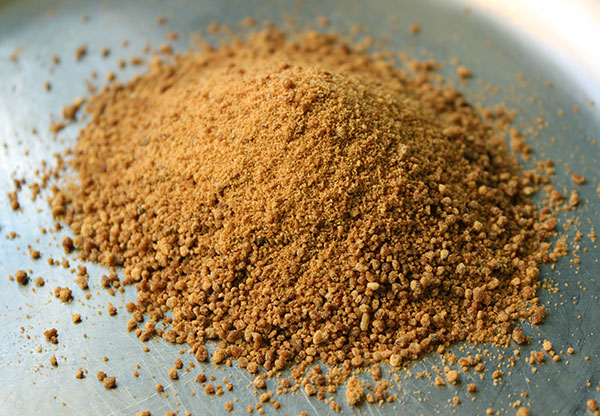
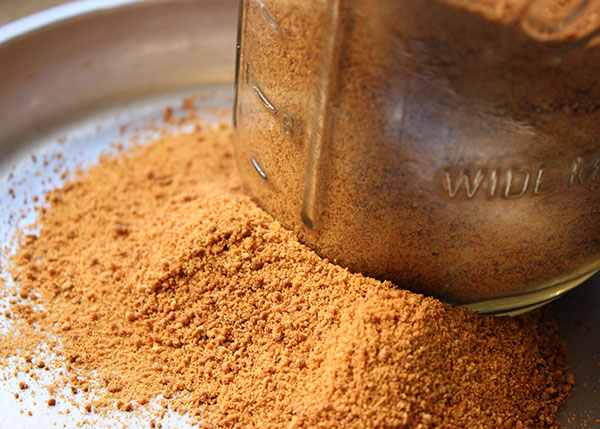
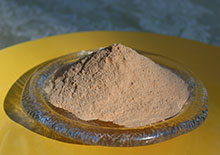
Coconut sugar is a light brown to reddish-brown crystalline sugar created from the sap collected from blossom stems of the coconut palm tree. It has quickly become a popular natural sweetener in recent years because of its claimed low glycemic index as well as its nutrient-rich profile.
Also referred to as coconut palm sugar, it should not be confused with other types of palm sugar that come exclusively from certain species of date palm or the Arenga saccharifera palm tree.
Coconut palm sugar can be a healthier option when compared to highly refined or processed sweeteners. As a natural sugar it provides nutritional value in the form of minerals and some amino acids. And, because it can help to prevent spikes in blood sugar levels, some people consider it to be a viable alternative for diabetics.
While these types of sweeteners make great alternatives to high glycemic varieties, keep in mind, we do not advocate consuming even the "healthy" concentrated sugars, like coconut sugar, in large amounts on a regular basis.
In our opinion, to maintain a health promoting diet, they are best when consumed infrequently in small amounts.
We use coconut palm and others, along with stevia, to sweeten occasional dessert recipes and holiday treats and, for this purpose, they can be a convenient and improved choice over the traditional refined white sugar or corn syrup sweeteners.
Is Coconut Palm Sugar a Raw Food?
Because coconut sap is naturally sweet straight from the tree it doesn't require long evaporation techniques or chemical processing to make it a whole lot sweeter. According to the brand Coconut Secret, the process is very rapid only taking about 90 minutes to reduce the water content, caramelize it, increase the sweetness and dry it to into a crystalline form.
Although coconut sap doesn't take as long to heat process as cane sugar or even other natural sweeteners, the production of most commercial coconut sugar does appear to use high temperatures during this reduction phase.
Therefore, coconut palm sugar can't really be considered a "raw food" for those adhering to a
strict raw diet protocol.
What Does Coconut Sugar Taste Like?
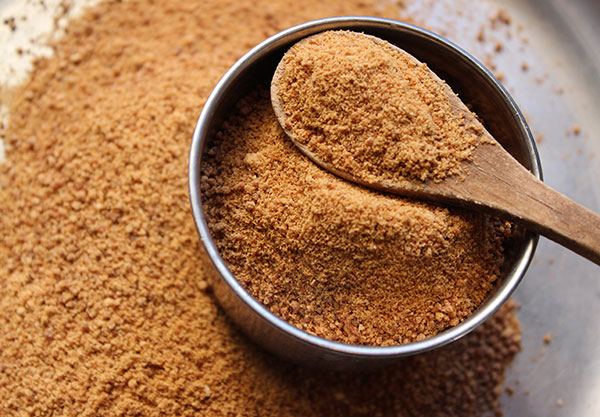
Coconut sugar has a mild caramelized flavor and doesn't really taste at all that much like coconut, which might seem surprising. This is most likely because the sugar is not derived from the actual coconuts themselves.
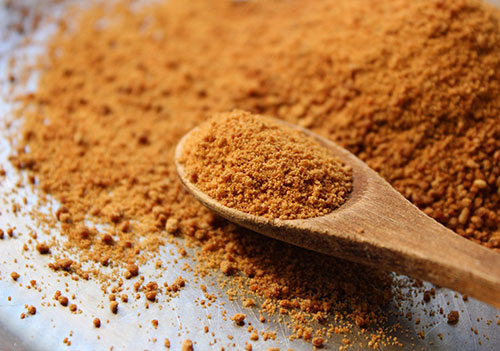
Coconut palm crystals may also vary in texture and coarseness depending on the moisture content. Most brands are not uniform in size but are quite fine with some larger granules mixed in.
Is Coconut Palm Sugar a Traditional Sweetener?
Tapping the coconut tree blossoms for their sweet sap has been employed for centuries on a small scale all over tropical regions where coconut palms grow, such as the Philippines, Indonesia and regions of Southeast Asia. However, this process is not as commonly sought out as the trees will no longer produce coconuts once they are tapped, and coconuts are a highly valued food commodity.
Coconut Palm Sugar Benefits
A Lower Glycemic Sweetener
In the words of Gandhi, “The juice of the coconut tree can be transformed into a sugar as soft as honey… Nature created this product such that it could not be processed in factories. Palm sugar can only be produced in palm tree habitats. Local populations can easily turn the nectar into coconut blossom sugar. It is a way to solve the world's poverty. It is also an antidote against misery.”
The glycemic index (GI) is the standard measurement used to rank how fast blood sugar levels rise after we drink or eat a particular type of beverage or food over a 2-3 hour period of time. (*) The higher a food raises blood sugar, the higher its glycemic index.
Concentrated sweeteners naturally have a higher GI compared to other foods, so it is important to select types that are released slowly into the bloodstream with a lower GI of 55 or less. These are believed to be the most beneficial to consume, especially if you enjoy them on an ongoing basis.
Coconut sugar is claimed to have a GI of 35, which is naturally lower in comparison to cane sugar (GI 58-65) and high fructose corn syrup (GI 87-100).
In addition, the presence of the
polysaccharide inulin, a prebiotic fiber that aids in the process of
digestion, are key factors that help maintain lower glycemic levels.
Moreover, these prebiotic constituents help to feed and increase the healthy flora in our intestines. "All inulin-type prebiotics are generally thought to stimulate the growth of bifidobacteria species. Bifidobacteria are considered beneficial bacteria." (Source)
Can Be A Better Choice for Diabetics
Low glycemic sweeteners can be better choices for most people, but they are especially good for diabetics and those wanting to lose excess body weight.
Because coconut sugar is absorbed into the bloodstream at a significantly slower rate, there are none of the high and low glucose fluctuations often associated with other sweeteners. Spikes in blood sugar are also often associated with addictive eating behaviors and cravings for more sugar soon afterwards.
In addition, coconut sugar contains the low glycemic carbohydrate called inositol, which adds to its sweet taste. Inositol is necessary for normal nerve function and is especially beneficial to diabetics as it helps to relieve diabetic neuropathy.
There are other natural sugar substitutes that we would recommend, such as stevia, xylitol or yacon syrup that have a zero or very low glycemic index. These sweeteners can be used WITH coconut crystals in recipes to create the best blend for your own personal health objectives.
Coconut Palm Sugar Vs. Cane Sugar
Learn more about whether coconut palm sugar and coconut nectar are the best choice for your particular health objectives.
Though coconut palm sugar has a stronger flavor, it can be used in most recipes that call for cane sugar without a noticeable difference and has a consistency similar to sugars like sucanat.
As a white sugar alternative, some say it can be used in a 1:1 ratio
replacement in baked goods or raw recipes. However, in our opinion, when trying to get the same level of
sweetness as that of white sugar you would need more like 1 1/2 - 2 parts coconut palm sugar to 1 part white table sugar.
Refined white sugar is additionally higher in fructose content than coconut palm. In general, it is best to keep fructose consumption to a minimum, cane sugar is about 50% fructose compared to the 3-9% fructose in palm sugar.
Higher in Minerals and Amino Acids
The rich volcanic soils that coconut palm trees grow in are full of nutrients and are the primary source of food for these tall resilient trees. The sap and nectar from which the sugar is created, is therefore considerably high in amino acids, minerals, vitamins and trace elements.
High quality coconut sugars are known to contain trace amounts of iron, potassium, zinc and calcium and are a source of some B vitamins, vitamin C and amino acids (especially glutamine).
As we mentioned, the sugar crystals are also rich in inositol (vitamin B8), which is known to be helpful for inflammation, high cholesterol, diabetes as well as depression.
What is Coconut Palm Sugar Exactly?
Coconut
sugar does not come from the actual coconut like many
believe, but is provided by the sweet stem sap of the "coconut palm blossom",
the flower that blooms to make the actual coconut. This is not the same palm tree species that produces "red palm oil" and is only distantly related to desert palm tree fruit or date palm.
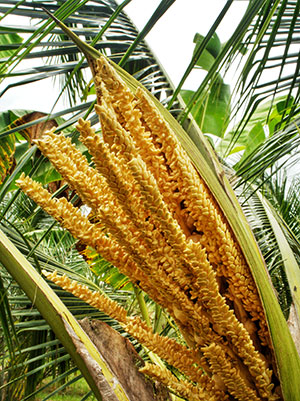
The group of yellow flower clusters, called the inflorescence, are at the very top of the Coco Nucifera palm tree. When the blossoms are mature, the nectar must be skillfully retrieved by climbing to the top of the coconut palm several times a day. The tapped sap, referred to as a "toddy", is slowly extracted over a period of time by tapping the end of a cut flower blossom stem.
The fresh milky sap or toddy is commonly consumed fresh or fermented by native peoples in the Philippines, Indonesia and Malaysia to make "palm wine or coconut vodka." It can also be used to make vinegar or a soy sauce-like condiment.
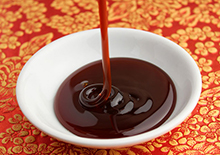
Coconut nectar is produced by slowly heating this sap (toddy) up to temperatures of 250°F (121°C), or more depending on the company, for a period of time to thicken it into syrup. This process also causes the sap to turn a dark brown color.
The nectar or syrup is
further evaporated to remove the water content which forms a light
caramel-colored crystallized sugar. This is coconut sugar!
Does Sap Tapping Harm the Coconut Tree?
The Coco Nucifera palms are not harmed through the sap tapping process. Once tapped, however, the coconut blossoms, which would normally produce coconuts at some point, do not continue to further develop as fruit. That is to say that coconut palms, used to make coconut products such as coconut oil, cannot produce both coconuts and coconut sugar simultaneously.
What this means is that all trees used to make coconut sugar or nectar are usually designated for such purposes. According to the Food and Agriculture Organization, coconut palm sugar crops are said to produce 50-75 percent more sugar per acre than cane sugar and also use a lower percentage of nutrients from the soils they grow in.
Organic IS Best
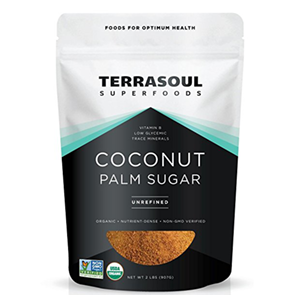
It is best to buy organic coconut sugar as this helps ensure quality and that it is not processed with additives or preservatives that are common when evaporating sugars for mass production.
How to Use
Some of Our Recipes Using Coconut Sugar
For raw dehydrated cookie making, we have to say, that coconut palm
sugar is one of our preferred favorites, helping to transform any
traditional cookie recipe into a more nutritiously sweetened version.
The sugar blends well into most desserts and is very tasty blended half and half with raw honey in our coconut lemon bar recipe as well as in our raw peanut butter cookies.
It is notably delicious in any recipe using carob powder, cacao or when making raw chocolate.
Coconut crystals dissolve easily in liquid and are convenient to use for sweetening drinks and herbal teas.
You can also, over time, begin mixing it with other sweeteners like monk fruit, yacon, lucuma or stevia to create the perfect combination of sweetness that may be more in line with your current health goals.
Precautions:
Coconut palm sugar should be avoided by those with candida overgrowth or individuals on a low-sugar diet. Seek the advice of your dietitian or nutritionist when adding coconut sugar to your diet if you are pregnant, nursing, taking prescribed medications or have a serious medical condition.
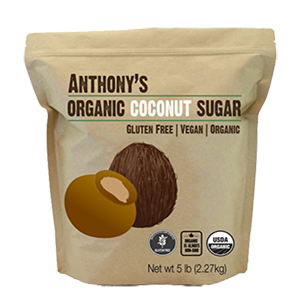
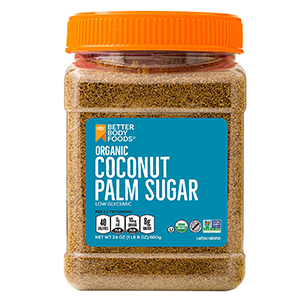
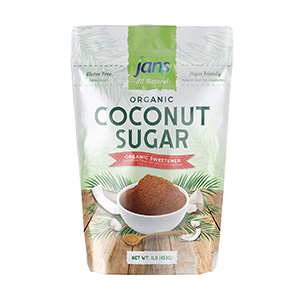
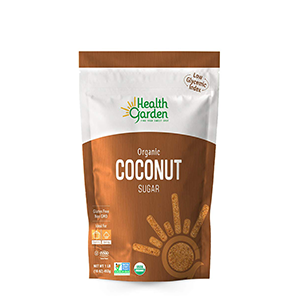
Shop Related Products (About Affiliates & Amazon Associate Paid Links)
Affiliate Disclaimer: This section contains affiliate product links. If you make a purchase through one of our recommended links, we will receive a small commission at no additional cost to you. Thanks for the support!
Other Related Pages


As an Amazon Associate we earn from qualifying purchases at no added cost to you.