- Home
- Fermented Foods
- Cultured Vegetables
Raw Cultured Vegetables, A Fermented Probiotic-Rich Food Source
Intro | Making Homemade | What are Cultured Vegetables | Lacto-Fermentation | Health Benefits | How to Use | Precautions | Shop
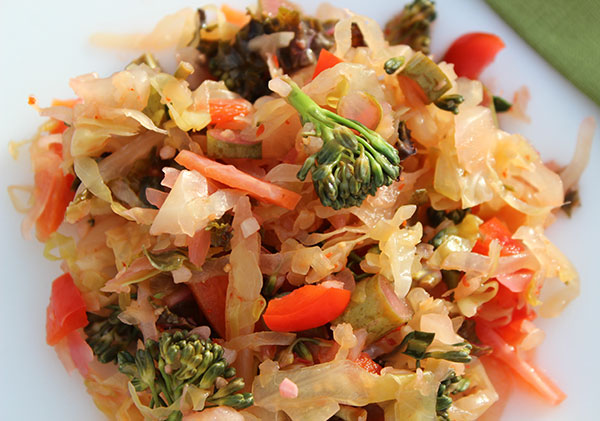
Raw cultured vegetables are one of the oldest forms of food preservation utilized by many ethnicities around the world throughout human history. The term is generally synonymous with any chopped, grated or shredded vegetable that has gone through a natural fermentation process.
Kimchi, sauerkraut or other pickled vegetables and fruits are all condiments that are included in this broad category of raw ferments.

Table of Contents
Intro | Making Homemade | What are Cultured Vegetables | Lacto-Fermentation | Health Benefits | How to Use | Precautions | Shop
The types we are exclusively referring to are those made without heat or chemical preservatives and contain innately occurring friendly bacteria, like Lactobacillus, or other members of the lactic acid group (LAB).
The term "culture", in fact, refers to these living probiotic constituents that multiply in the vegetables after fermentation.
Here in the U.S., the phrase "raw cultured vegetables" first became popular to a large degree with books like "The Body Ecology Diet" by Donna Gates, first published in the mid 1990's and then later the book "Wild Fermentation" by fermentation expert Sandor Katz.
Both inspired by the concept of using fermented vegetables as a way to increase beneficial gut microflora, these authors influenced many to begin making their own in addition to consuming them as a regular part of a health promoting diet.
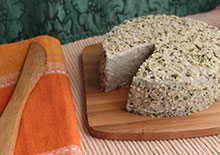
On a smaller scale, earlier health educators like Ann Wigmore and Viktoras Kulvinskas, who endorsed a raw vegan diet, also played a significant role in popularizing homemade raw vegetable fermentation, along with other foods like rejuvelac, seed cheese, wheatgrass juice and sprouts.

Vegetable ferments are filled with flavor and enjoyed by most people who like that pickled taste. Commonly eaten as condiments with meals for centuries by numerous nationalities worldwide, they have a zesty flavor that offers a taste enhancing quality to most protein and starch-based entrées.
According to Chinese, Ayurvedic and macrobiotic philosophies, it is important to include small portions of sour tasting foods in the diet. Acting as digestive aids, they are helpful for the breakdown of heavier cooked foods and fats.
Raw pickled vegetables are a delicious way to achieve this objective, improving digestion as well as the overall health of the gastrointestinal tract via living enzymes and beneficial microflora.
Often promoted as a quintessential food for reversing the damaging effects of the Standard American Diet (SAD), they are valuable food-based probiotics for those with various autoimmune related conditions, like candida overgrowth.
They positively impact immune health and are a potent source of the antioxidant vitamin C, renowned for its ability to prevent scurvy and eliminate sickness.
Making Homemade Raw Cultured Vegetables
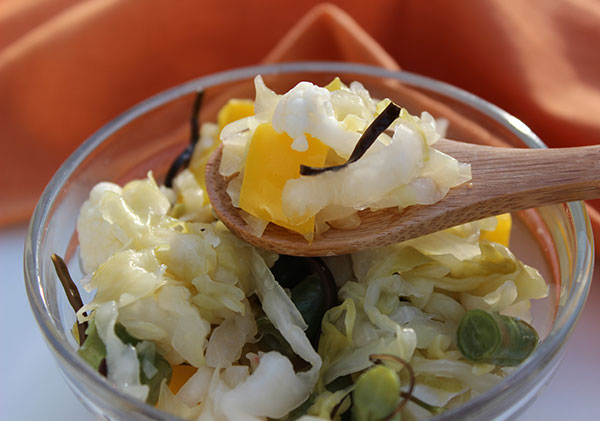
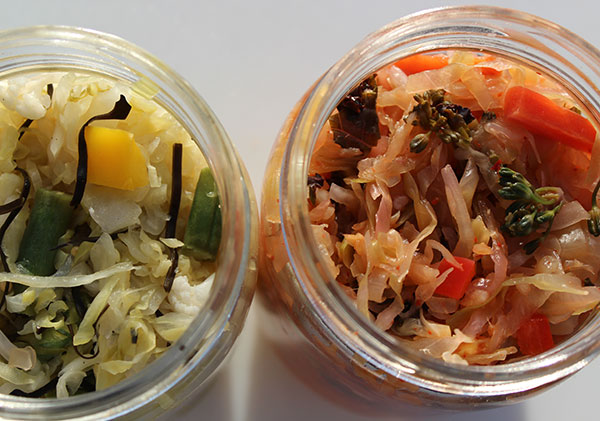
Today, there is not only a resurgence of raw pickled vegetable consumption occurring among a more main stream audience, but also the concept of making homemade vegetable ferments is growing more and more popular every day.
While there has been a rapid increase of companies selling raw fermented sauerkraut's and vegetable blends, there is nothing quite like the satisfaction of preparing and producing your own homemade combinations.
You not only will save quite a bit cost-wise, as commercial brands are notoriously pricey, you can eventually tailor them to your own personal taste preferences and health goals.
Culturing your own jar of vegetables is a basic introduction to the world of "lacto-fermentation" that might continue to additionally inspire the practice of fermenting other types of foods you may also wish to create.
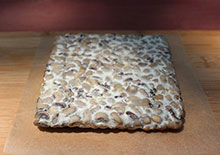
Some of our personal homemade fermented food favorites additionally include miso, tempeh, kombucha, kefir as well as different types of nut and seed cheeses.
What are Cultured Vegetables?
Cultured vegetables are a pickled food, but they are not prepared with the use of a vinegar solution or a heat treated canning process. While canning, a common household food preservation technique, does provide a pickled flavor, the enzymes and microflora are destroyed during sterilization.
When vegetables are fermented, according to raw natural methods, they generate an acidic environment in which friendly flora can reproduce and proliferate, in effect softening the vegetables giving them a slightly soured pickled taste when left in a jar and covered with a brine solution for several days.
Which Vegetables Can Be Cultured?
Although it is not
absolutely required, cabbage is usually one ingredient frequently used
in most recipes, not only because it responds well to fermentation, it
also naturally contains lactic acid bacteria that will help to initiate
the culturing process. Many types of raw vegetables, fruits, seaweeds and
spices can be added for extra flavor and variety.
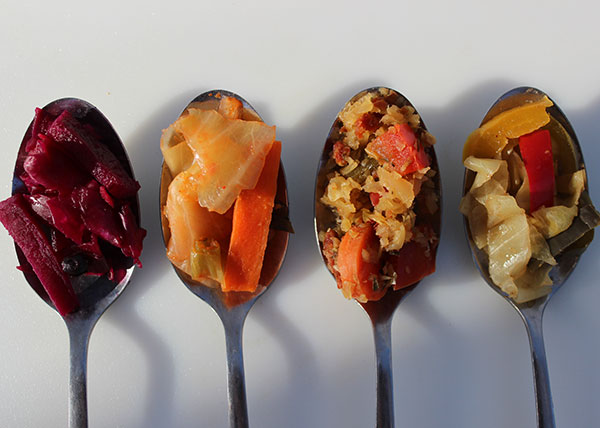
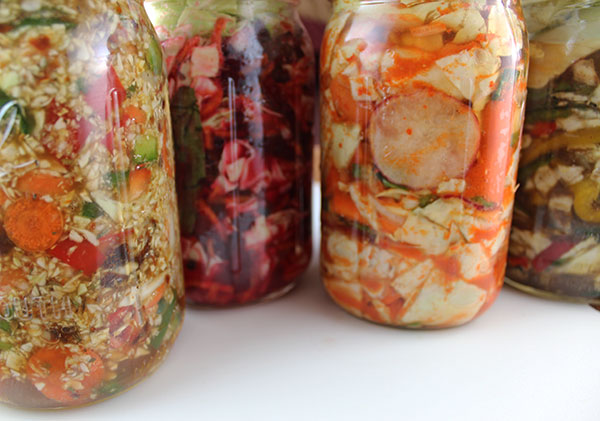
This list may include carrots, broccoli, radishes, jicama, bell pepper, beets, cauliflower, green beans, brussels sprouts, onion, leek and burdock root as well as hardy cruciferous leafy greens like collard, kale or bok choy.
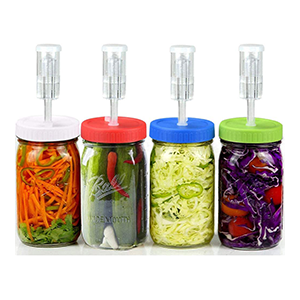
Typically soft sweet juicy fruits are avoided (unless you're making a pickled chutney), but other varieties such as apples, tomatoes and especially dried fruits like raisins, golden berries and goji can also be incorporated. Spices like ginger, garlic, black pepper, juniper berries, caraway, dill and mustard seeds are very popular when making homemade vegetable ferments.
How Natural Lacto-Fermentation Works
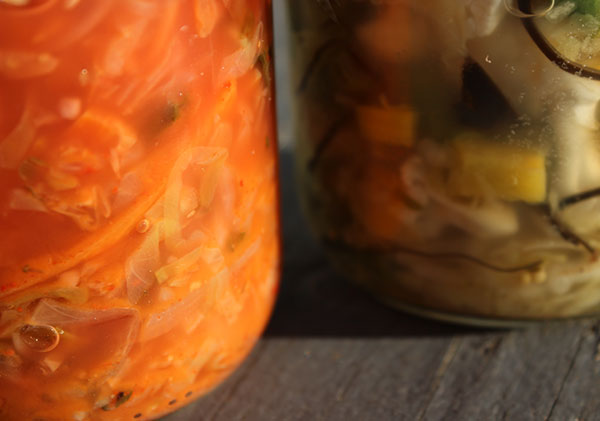
Lactic acid fermentation, or "lacto-fermentation", is the process that occurs when vegetables are placed under the protection of a brine solution, usually a combination of salt, lemon juice, culture starter, water and/or natural juices created from pressing the vegetable ingredients.
When packed tightly in a jar or vessel under this liquid brine, an oxygen-free environment is produced which supports the growth of desirable bacteria and eliminates pathogenic varieties when kept at a room temperature not greater than 72°F (22°C).
According to the "Agriculture and Consumer Protection" branch of the Food and Agricultural Organization of the United Nations, "the whole basis of lactic acid fermentation centers on the ability of lactic acid bacteria to produce acid, which then inhibits the growth of other non-desirable organisms. " (Source)
About Lactic Acid Bacteria
During the vegetable culturing process the lactose and other sugars in the vegetables are converted to lactic acid, which in turn gives birth to different genus strains of the lactic acid bacteria (LAB) called Lactobacillales, including Leuconostuc, Lactobacillus, Lactococcus and Pediococcus. Within each one of these genus classifications are numerous other species. Some common varieties include L. acidophilus, L. plantarum, P. acidilactici and L. mesenteroides. Each of these anaerobic bacteria, in varying proportions, are produced at various stages of the fermentation process and supply different taste and textural qualities.
LAB's are either rod-shaped (bacillus) or spherical (coccus), and are distinctly characterized by their tolerance for acidic environments with a lower pH. This gives these bacteria the upper hand against other strains of not so friendly bacteria that can't withstand high lactic acid concentrations.
These strains are inherently present in the human gastrointestinal tract and rapidly reproduce in cultured vegetable ferments. As we will further discuss, these probiotic (life supporting) bacteria are beneficial to consume for healthy intestinal balance.
In a 2014 published study in the journal Biotechnology Research Foundation, it states that "fermentation is a slow decomposition process of organic substances induced by microorganisms or enzymes that essentially convert carbohydrates to alcohols or organic acids." The study further concluded that "fermented fruits and vegetables contain a diverse group of prebiotic compounds which attract and stimulate the growth of probiotics."
Health Benefits of Raw Cultured Vegetables
1) Probiotic Nutrients
2) Improves Digestive Functions
3) Cleansing to the Body
4) High in Vitamin C
Probiotic Nutrients for Gut Microbiota
Gut microbiota naturally exist in the gastrointestinal tract and play a central role in the foundation of human health. In a study documented in the Therapeutic Advances in Gastroenterology is was quantified that "our gut contains in the range of 1000 bacterial species and 100-fold more genes than are found in the human genome."
Often referred to as the "forgotten organ", some health experts in fact liken the metabolic activities performed by these intestinal microorganisms to those of any vital organ system.
The diverse array of gut flora are responsible for many functions including processing undigested waste material, maintaining bowel regularity, synthesizing vitamin K and B12, regulating immune response, preventing the growth of bacterial pathogens, processing soluble dietary fiber and much more.
Although the complexity of these intestinal communities is still currently being explored, healthy balance of gut microbiota is known to have a huge influence on our human physiology and overall long term well-being.
Gut Microbiota and Yeast Overgrowth
Today, the disruption of the gut microbiota, or dysbiosis, is a very common condition in which the overgrowth of bacterial yeasts or fungal strains, like Candida albicans, are known to increase to unhealthy levels. While these are useful species present in the gut in smaller amounts, when they begin to take over problems and health issues invariably arise.
Many medications like antibiotics, commonly prescribed these days, can cause a rapid increase of these fungal strains that over dominate the beneficial bacteria we require for healthy gastrointestinal balance.
In a review
published in the 2015 edition of the International Journal of Molecular
Sciences entitled "Impacts of Gut Bacteria on Human Health and
Disease", it was identified that "When the gut bacteria undergo some
imbalance, several diseases may occur. Immunoregulatory activity is the
main function of gut bacteria in the pathogenesis of these diseases."
Some of the main diseases listed in this review included inflammatory bowel
disease, obesity, HIV, cancer, and autism.
Cultured vegetables have a diverse array of probiotic-rich
nutrients that when integrated into the diet can significantly help to repopulate gut microbiota and restore
intestinal equilibrium. When consumed as a garnish with meals, they are helpful for maintaining the long term health of the entire digestive tract.
The concept of colonizing the gut with dietary microflora was first suggested by Nobel Prize recipient Elie Metchnikoff, who in 1907 was director at the Pasteur Institute. In his book, "The Prolongation of Life", he writes that, "the dependence of the intestinal microbes on the food makes it possible to adopt measures to modify the flora in our bodies and to replace the harmful microbes by useful microbes." (Source)
In the mentioned publication entitled "Role of the Gut Microbiota in Health and Chronic Gastrointestinal Disease" it states, "we consider the manipulation of the gut microbiota as a potential therapeutic option to treat chronic gastrointestinal disease."
Of course, therapeutic treatment may also involve the use of a probiotic supplement for a period of time. Fermented foods, like cultured vegetables and kefir, have been shown to help increase the effectiveness of these powdered probiotic strains when used simultaneously.
Improves Digestive Functions
The efficient digestion of the foods we eat is paramount to a healthy disease-free life. If we are not properly breaking down our foods and sorting out various nutrients we are not receiving their benefits. In other words, "you are not what you eat, you are what you digest and absorb."
It is therefore imperative to get your digestive capacities back on tract, especially if you are someone who experiences chronic flatulence, bloating, constipation, loose stools or any other symptoms associated with impaired functions in this area.
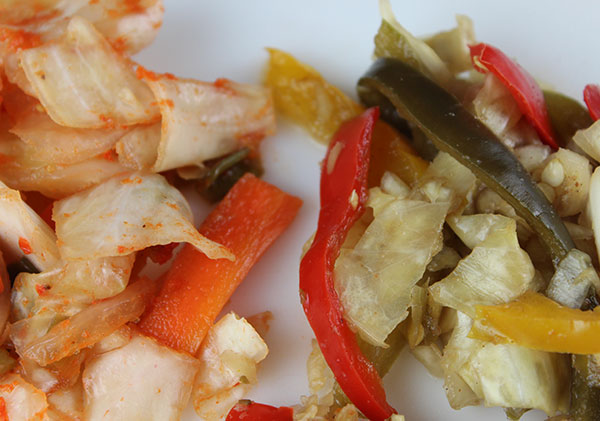
Integrating a certain amount of cultured foods like sauerkraut, kimchi or your own homemade cultured vegetable blends can work greatly to improve and normalize digestion.
For those new to consuming them, it is recommended to start out with small portions of not more than 1T and then gradually increase over time. This will help to prevent some initial side-effects that may include an increased amount of bloating and flatulence.
Cultured vegetables contain naturally occurring enzymes which are produced by the lactic acid bacteria during the fermentation process. Consuming small quantities as a side dish or garnish with meals helps to improve the digestion of plant or animal-based proteins and fat as well as starchy foods like grains, pasta and potatoes.
According to Gabriel Cousens in the book Conscious Eating, "The lactobacilli organisms found in fermented foods are very high in enzymes, which add to our overall enzyme bank when they are taken into the system. These organisms help with the digestion and conversion of starches and sugars in the vegetables to lactic and acetic acid in our colon. This aid to our digestion further supports our overall enzymatic pool because now less enzymes have to be secreted by the pancreas for digestion." (*)
Cleansing to the Body
Consumed along with a health promoting diet, cultured vegetables can help to indirectly eliminate toxins by increasing digestive functions and promoting regular bowel movements. Eaten as a side dish, they can also increase the breakdown of undigested waste material that may accumulate in the digestive tract.
When digestive capacities are normalized and maintained, our excretory organs, like the kidneys, liver, large intestine, bladder, lungs and sweat glands are more efficiently able to detoxify the body and eliminate toxic substances.
High in Vitamin C
Raw cultured vegetables, like kimchi and sauerkraut, have been used throughout human history as a known source of vitamin C.
They were a famous food source used by Captain James Cook, credited with storing barrels of sauerkraut for his crew members on long voyages when fresh fruits and vegetables were unattainable.
How to Use
Learn how to make cultured veggies on our cultured vegetable recipe page.
Traditionally, many ethnicity's around the world use pickled foods, like kimchi and sauerkraut, as condiments with meals to enhance the flavor of other foods. Their health benefits are simply a side-effect, not usually considered a chief objective.
It is generally recommended to consume small portions of cultured vegetables with other foods. Eaten alone, as a snack between meals, they can be especially helpful for curbing cravings for sweets. They go well with proteins, starches, green leafy vegetables, nuts and seeds, but should not be combined with sweet juicy fruits.
You can include between 1T to half a cup of cultured vegetables as a garnish with sushi, wraps, salads, soups, crackers and appetizers. The pickled flavor also makes a great addition when blended into salad dressing recipes.
It is important to never heat the cultured vegetables as this will destroy their beneficial nutrients, killing all microflora and living enzyme content.
Adding them as a side to cooked meals, however, is one our top ways to improve digestion and make cooked foods healthier.
Also see our fermented food recipes for more on how to make your own tempeh, miso, kombucha, fermented grape leaves, sauerkraut and other cultured foods.
Precautions:
It is important to consult with a healthcare professional before adding cultured vegetables to your diet if you have IBS, leaky gut or other digestive issues. For those new to eating cultured vegetables, you may at first experience some intestinal gas, bloating or increased bowel movements. Seek the advice of a medical physician before adding fermented foods to your diet if you are pregnant, nursing, taking prescribed medications or have a serious health condition.

Shop Related Products (About Affiliates & Amazon Associate Paid Links)
Affiliate Disclaimer: This section contains affiliate product links. If you make a purchase through one of our recommended links, we will receive a small commission at no additional cost to you. Thanks for the support!








Other Related Pages



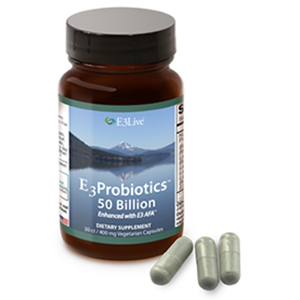
E3Live, E3Probiotics, 50 Billion, Enhanced with E3AFA

As an Amazon Associate we earn from qualifying purchases at no added cost to you.