- Home
- Fermented Foods
- Fermentation Process
Lactic Acid Fermentation, The Process of Culturing Foods and Drinks
Intro | About Lactic Acid Fermentation | 3 Phases of Lacto-Fermentation | Invention of Pasteurization | Fermentation Vs. Pasteurization | Precautions | Shop
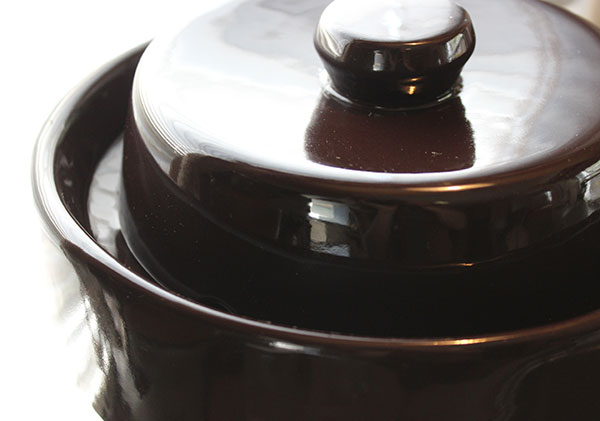
Fermentation, as it pertains to creating foods and drinks for human consumption, is a naturally occurring process that alchemically transforms vegetables, beans, grains, fruits, milk, nuts and seeds into savory and nutritious substances that are full of enzymes and specific phytonutrients unique to each ferment.
Throughout its long and varied history around the world, fermentation techniques in their earliest stages were largely utilized as a way to preserve food when refrigeration was not available.

Table of Contents
Intro | About Lactic Acid Fermentation | 3 Phases of Lacto-Fermentation | Invention of Pasteurization | Fermentation Vs. Pasteurization | Precautions | Shop
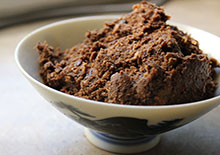
The range of rich flavorful taste sensations that resulted were eventually embraced by many ethnicities and adopted as regional dishes and condiments. Some of these popular fermented foods still known and consumed today include miso, kimchi, kefir, tempeh and sauerkraut.
These are pre-digested foods and beverages that undergo a chemical alteration by which they are able to generate different compounds not present in the original food or liquid. They also, in many cases, naturally increase the nutritive bioavailability as well as inhibit certain "anitnutrients" and toxins.
Ferments essentially convert food and other substrates by growing a number of different species of bacteria and fungi, which feed off of the food source and further produce enzymes which help in the fermentation process.

These diverse array of probiotic-rich nutrients are useful for repopulating gut microbiota and restoring intestinal equilibrium. The enzymes created are likewise helpful for improved digestion and nutritional assimilation.
The catalysts and enzymes produced from ferment-specific molds, bacteria, yeasts or fungi essentially break down
complex organic molecules, like proteins and carbohydrates, into smaller
compounds that transform the flavor, texture and quality of the ferment
over the required period of time.
All cultured foods and beverages need a certain number of days, and in some cases months or years, to produce a desired end result.

In the Book of Miso, authors Shurtleff and Aoyagi describe a time-lapse photography view of fermentation in eloquent terms:
"One witnesses a near-miraculous world in which tiny spores burst into blossom like an elegant and complex flower, enzymes reach out inquisitively like long fingers melting solid particles at their touch, and populations of mold explode until they have totally enveloped the foods - or "substrates" - which support their life."
About Lactic Acid Fermentation
The type of fermentation we are explicitly referring to is called lactic acid fermentation or "lacto-fermentation." This is generally the most common type used to convert foods into their cultured variations.
During this procedure the sugars are converted to lactic acid, which in turn gives birth to different genus strains of the lactic acid bacteria. Varying proportions of these microorganisms are produced at various stages of the fermentation process, supplying different tastes and textural qualities.
Scientifically speaking, the first step in fermentation is glycolysis, the metabolic pathway that converts glucose into pyruvate or pyruvic acid. Pyruvate, during fermentation can be metabolized into a number of compounds through either:
- Lactic Acid Fermentation - via homolactic fermentation (production of lactic acid exclusively) OR heterolactic fermentation (production of lactic acid as well as other acids and alcohols).
- Alcoholic Fermentation - the creation of ethanol and carbon dioxide.
How Natural Lacto-Fermentation Works
Lacto-fermentation is created in an oxygen-free (anaerobic)
environment that supports the growth of desirable bacteria and
eliminates pathogenic varieties when kept at the appropriate temperature
designated for each particular food or beverage.
Lactic acid bacteria, also called LAB, are either rod-shaped (bacillus) or spherical (coccus), and are distinctly characterized by their tolerance for acidic environments with a lower pH. This gives these bacteria the upper hand against other strains of not so friendly bacteria that can't withstand high lactic acid concentrations.
According to the "Agriculture and Consumer Protection" branch of the Food and Agricultural Organization of the United Nations, "the whole basis of lactic acid fermentation centers on the ability of lactic acid bacteria to produce acid, which then inhibits the growth of other non-desirable organisms." (Source)
During fermentation, LAB's proliferate producing different genus strains of Lactobacillales, which may include Leuconostuc, Lactobacillus, Lactococcus and Pediococcus. Within each one of these genus classifications are numerous other species. Each of these anaerobic bacteria, in varying proportions, are produced at various stages of the fermentation process and supply different taste and textural qualities.
Three Phases of Lacto-Fermentation
1) Beneficial anaerobic bacteria, mold or yeast strains begin the
fermentation process by creating an acidic environment in which they can multiply.
2) As the acid level of fermentation increases, this allows for various other species of friendly flora to proliferate.
3) The pH continues to lower as any remaining
proteins, sugars and starches are fermented by other species, like
Lactobacillus for example. This phase improves flavor significantly increasing palatability and unique taste qualities inherent to the type of food or liquid.
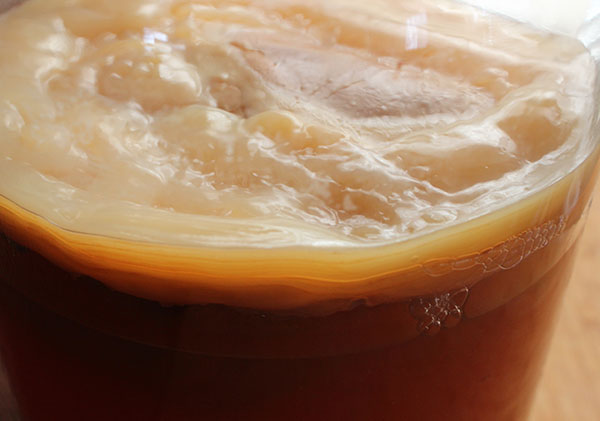
Basic Purposes of Lactic Acid Fermentation:
- Improves Digestibility of the Food
- Increases Nutritional Quality
- Enhances Flavor and Texture
- Acts as a Natural Preservative
Invention of Pasteurization
Pasteurization is a heating technique that destroys most of the beneficial bacteria, nutrients and microbial enzymes in foods and drinks. It is largely considered quite the opposite of the food fermentation process.
It was originally invented in the nineteenth century by French scientist Louis Pasteur to reduce the potential and proliferation of pathogenic substances in fermented food and the alcoholic beverages make from them.
This process was also chiefly created to provide uniformity and standardization so that commercial products could be mass produced. This greatly transformed the fermentation industry, who readily incorporated these new pasteurization methods.
With the advent of pasteurization in the industrial age, the traditions and art of fermenting and culturing homemade foods was pushed aside and replaced by this newer, faster approach to food preservation.
While Louis Pasteur virtually invented the field of "microbiology" and spent most of his life studying different types of microorganisms and their life cycles, he mainly discredited the health enhancing effects of certain species.
In the book "Wild Fermentation" author Sandor Katz points out that:
"The advent of microbiology gave rise to a sort of colonial outlook toward microorganisms, that they, like other elements of nature and other human cultures, must be dominated and exploited. One book that expresses this attitude especially poignantly is Bacteria in Relation to Country Life, published in 1908, midway between Pasteur's research and the development of antibiotic drugs."
"The deepening current of human existence now forces us to study the bacteria and other microorganisms. In so far as they are dangerous to our health and happiness we must learn to defend ourselves; we must learn to destroy them or to render them harmless. In so far as they are beneficial, we must learn to control them and to make their activities widely useful to human society." Bacteria in Relation to Country Life
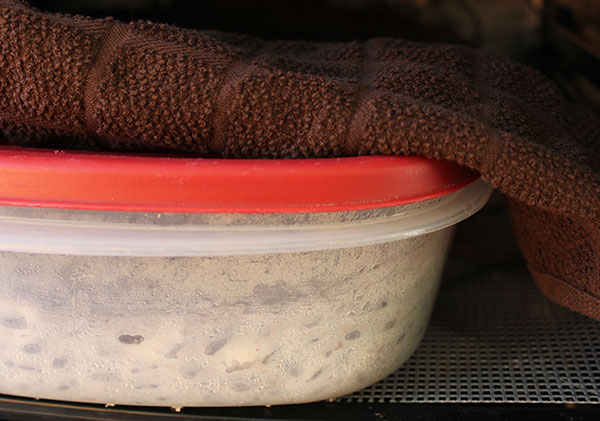
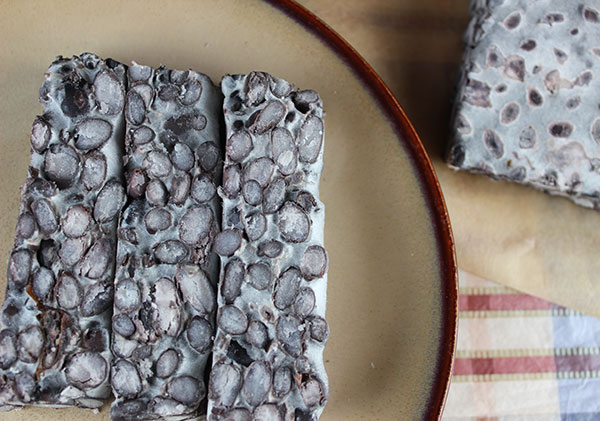
Fermentation Vs. Pasteurization
A live, unpasteurized, fermented food is very different than a "pasteurized" one.
Fermentation described in the words of Shurtleff and Aoyagi:
"In each case, the dramatis personae are myriads of microorganisms which serve as the vital essence and force of the living fermentation process. These tiny creatures work best at their own unhurried pace, timed by the great rhythmic movements of the four seasons and the delicate biochemical changes occurring in their "household." Man serves his highest function by understanding the laws of change written into those life processes and providing the optimum conditions for their natural unfoldment. He thus becomes a partner with the Master Alchemist in creating a masterpiece of fine flavor."
Fermentation allows for a type of "bio-preservation" in which the food or beverage is protected in a lactic acid environment. Some ferments under these conditions can last for days, months or even years, whereas other only a short amount of time before they need to be refrigerated.
The health enhancing benefits of consuming natural unpasteurized food ferments was first scientifically suggested by Nobel Prize recipient and colleague of Louis Pasteur, Elie Metchnikoff, who in 1907 was director at the Pasteur Institute.
In his work he further developed the concept that "friendly" bacteria in our intestines, as well as lactic acid bacteria produced during the fermentation process, could actually inhibit the growth of dangerous bacteria and prevent illness.
In his book, "The Prolongation of Life", he writes that, "the dependence of the intestinal microbes on the food makes it possible to adopt measures to modify the flora in our bodies and to replace the harmful microbes by useful microbes." (Source)
Furthermore, in a review published in the 2015 edition of the International Journal of Molecular Sciences entitled "Impacts of Gut Bacteria on Human Health and Disease", it was identified that "When the gut bacteria undergo some imbalance, several diseases may occur. Immunoregulatory activity is the main function of gut bacteria in the pathogenesis of these diseases." Some of the main diseases listed in this review included inflammatory bowel disease, obesity, HIV, cancer, and autism.
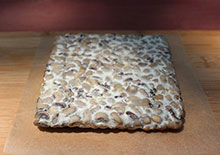
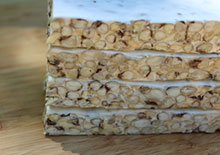
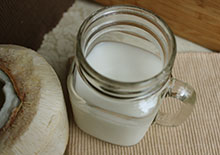
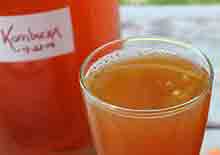
Many of the fermented products we discuss on this
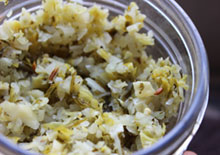
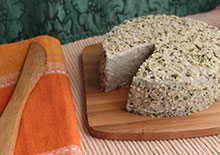
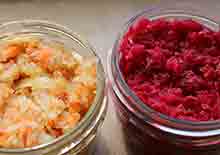
website, like kombucha, seed cheese, tempeh, cultured vegetables and
rejuvelac, not only help to replenish our microbial gut ecology, but
also provide digestive enzymes that many of us are significantly
depleted in. These types of foods preserve our own enzyme reserves and help to break down the foods we eat into usable energizing nutrients.
Our Fermented Food Recipes
Here at Superfood Evolution, we are all about supporting the age old tradition of fermenting foods and drinks for their exquisite tastes as well as nutritive and health enhancing qualities.
Our website is in part dedicated to showing you how to get started fermenting and culturing your own foods today with delicious fermented food recipes.
Precautions:
People who have allergies to mold should seek the advice of a health care practitioner before consuming any fermented food.

Shop Related Products (About Affiliates & Amazon Associate Paid Links)
Affiliate Disclaimer: This section contains affiliate product links. If you make a purchase through one of our recommended links, we will receive a small commission at no additional cost to you. Thanks for the support!





Other Related Pages








E3Live, E3Probiotics, 50 Billion, Enhanced with E3AFA

As an Amazon Associate we earn from qualifying purchases at no added cost to you.