- Home
- Fermented Food Recipes
- Sauerkraut
What is Sauerkraut and Why Is It a Superfood?
Intro | What is Sauerkraut? | History | Benefits | Learn How to Make | Precautions | Shop
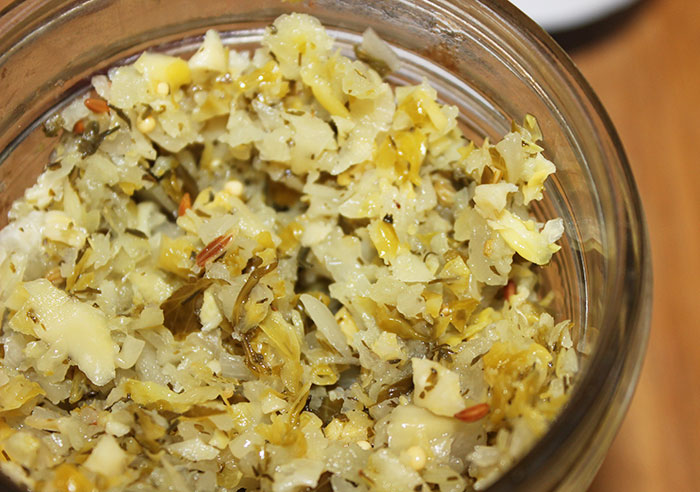
Sauerkraut is the ancient art of fermenting and pickling vegetables that dates back thousands of years. It is a naturally occurring process that is prepared without heat or pasteurization.
The idea of culturing vegetables actually first originated as a way to preserve food so it could be stored without the need for refrigeration.

Today this raw ferment is viewed as a superfood for the digestive system and known for its effects at reestablishing a balanced inner ecology. Also packed with nutrients, raw cultured vegetables, like sauerkraut help to rebuild the immune system as well as detoxify the body.
Table of Contents
Intro | What is Sauerkraut? | History | Benefits | Learn How to Make | Precautions | Shop
"When you make sauerkraut's, you are in fact concocting a vessel full of enzymes, lactobacilli and an alkaline reactive food source... a powerhouse of nutrition for your stomach, intestines, organs and entire body." Sandor Katz (*)
Many health experts agree that a healthy life begins with a healthy digestive tract. When digestion is "off track" it can affect many bodily functions and hinder the efficiency of the vital organs and glands.
Moreover, our ability to completely digest the foods we eat keeps us in better shape for reducing the risk of acute and chronic illness and disease further down the road.
Eating sauerkraut is the preventative approach to maintaining health at its root in the digestive system.
What is Sauerkraut?
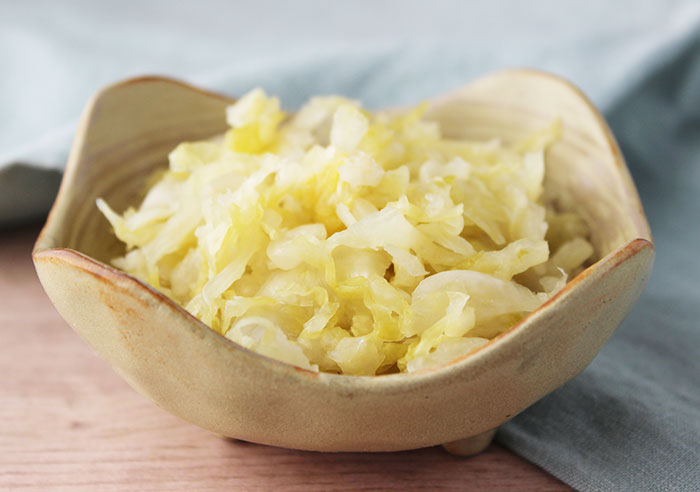
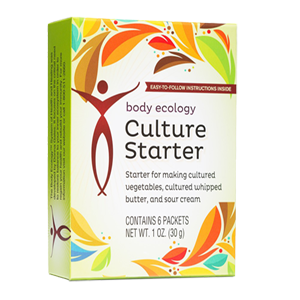
Basically, sauerkraut is shredded cabbage fermented in its own juice. It often includes salt or a salt water brine, which helps to facilitate fermentation and helps to give lactic acid bacteria the advantage. However, salt is not necessarily required to ferment it, especially when you use a culture starter.
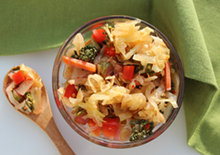
Many other vegetables and spices can be added for extra flavor and variety, but cabbage is usually the main ingredient because the leaves contain high amounts of naturally occurring cultures that encourage the "culturing process."

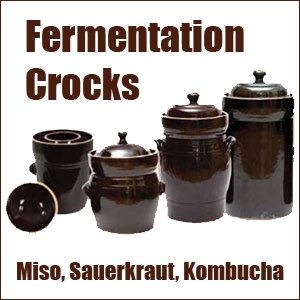
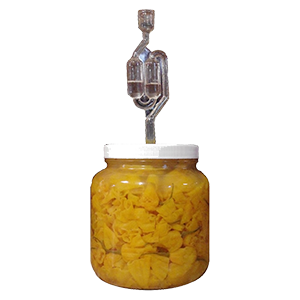
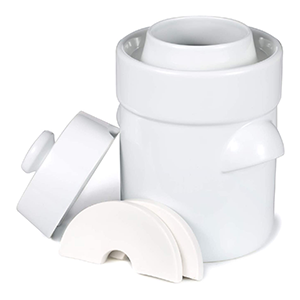
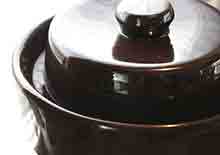
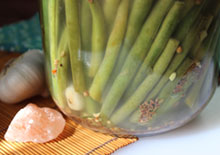
The process is achieved in a ceramic fermentation "crock" or most any type of glass jar. The chopped or shredded veggies are pressed down tight, creating an oxygen-free space. Typically, some sort of heavy weight is placed on top, but it is not always needed.
Over the fermentation time, between 4-10 days (or much longer depending on how you like them), the veggies become soft, slightly pickled, tangy and very tasty.
In some countries, the jars are traditionally buried in the
ground for many months or up to a year or more. When stored to ferment in a cool,
dark environment, cultured vegetables are known to improve in quality the longer
they age.
History of Cultured Vegetables
The original version of sauerkraut, or types of cultured cabbage, are thought to have originated North of China as far back as 200 B.C. and were later introduced in European countries by migrating tribes and Tartars of Genghis Khan and his armies.
The fermented cabbage, which was used as a side dish with meals, was the perfect food for traveling soldiers because it never spoiled. Other versions of cultured cabbage were also a well-known food of Chinese laborers building the Great Wall of China over 2,000 years ago.
Eventually, it made its way to Europe where it was discovered by the German and Austrian people. The word sauerkraut (sow-uhr-krowt) originated here, with the word "sauer" meaning sour, and "kraut" meaning green leafy vegetables or plant material.
Traditionally Eastern European families prepared
for winter by making several barrels of cultured cabbage, enough for the
entire family to eat for many months. Different from the Asian version,
which was fermented in rice wine, Germanic peoples cured cabbage with
salt, caraway seeds, spices and other vegetables.
Raw cultured sauerkraut is a well-documented food of Dutch seamen because of its high vitamin C content, which helps prevent scurvy. It was popularized by Captain James Cook who began taking many barrels of it along on long sea journeys to provide this hard to find vitamin for his crew.
Today, it is popular all across Europe, as well as in Asian cuisine with the popular Korean version known as "kimchi."
Raw Sauerkraut's Benefits to Health
1) Packed With Enzymes
2) Contains Lactobacilli, The Friendly Bacteria
3) Can Help to Reestablishes pH Levels
Packed With Enzymes
Our digestive functions naturally provide saliva and digestive enzymes to break down our food into usable nutrients, but over time eating foods low in enzymes can impact and diminish one’s own digestive enzyme reserves.
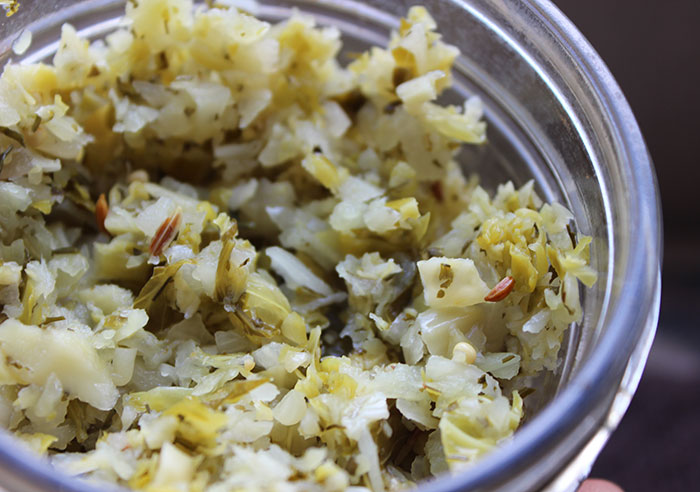
Raw sauerkraut is a food packed with beneficial food enzymes. This is because it is not heated or pasteurized, like many commercial pickled foods and condiments.
Enzyme-rich foods when consumed before or with meals encourage better digestion and can help to increase one's overall nutrition potential.
"Our enzyme potential has a problem somewhat similar to a checking account which could become dangerously deficient if not continually replenished.”
”Neither vitamins, minerals or hormones can do any work – without enzymes.”
Enzyme Nutrition, by Dr. Howell
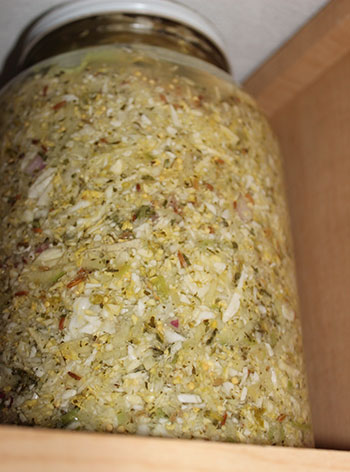
A jar of cultured vegetables is an enzyme factory and only a small amount of sauerkraut produces more than enough for the proper digestion of the foods we eat. It can be an especially helpful condiment for diets high in cooked foods dairy and animal proteins.
Those here in the West eating the Standard American Diet (SAD) could definitely benefit from the consumption of these ferments that many people around the globe have used for literally thousands of years.
In fact, we have never really needed the benefits of cultured sauerkraut more than we do today. With increased industrialization, more and more of our food and drink is prepackaged with chemicals and artificial preservatives to maintain its shelf life.
When you consume foods that cannot be efficiently broken down by the body, you are left with undigested waste material that gets trapped inside the gut, causing bloating, constipation, obesity, fatigue and lowered immune response.
Consuming fermented foods, like sauerkraut, can be a valuable asset
to overall health and helpful for processing the leftover by products of an unhealthy enzyme-less diet.
Contains Lactobacilli, The Friendly Bacteria
In addition to enzymes, the friendly microbial bacteria that exist inside your digestive tract are particularly helpful at converting more nutrients, vitamins and minerals out of the foods you eat, making them more bio-available to the body to use as nourishment.
This is why it is very important to maintain a balanced body ecology. The optimally ratio for this is: at least 80% alkaline friendly bacteria and 20% of the other fungal microorganisms, like Candida albicans, which are actually helpful to the health of the intestinal tract in small amounts.
Cultured veggies are a true longevity food and can be a great addition to the diet for re-establishing a healthy intestinal ecosystem.
Visit our page on the top 3 benefits of sauerkraut and more reasons to eat it.
There is an incredibly diverse array of beneficial lactic acid bacteria (LAB) found in cultured krauts and they are known to increase in volume the longer they ferment.
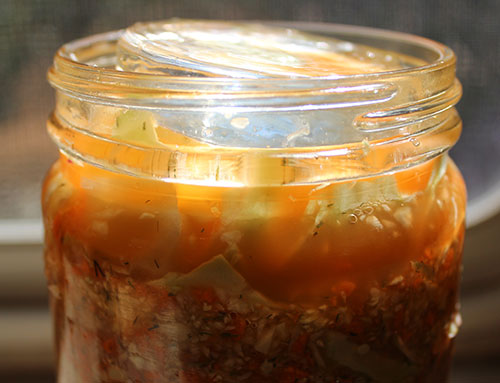
The fermentation process involved in making sauerkraut creates an acidic environment in which these friendly flora can reproduce and proliferate. This is accomplished by transforming the sugars in the vegetables to lactic acid, which in turn gives birth to different strains of the bacteria called Lactobacilli, including Leuconostuc, Lactobacillus and Pediococcus.
Nobel Prize winning scientist Elie Metchnikoff in his book, "The Prolongation of Life", proposed a theory that aging is promoted by the dominance of toxic bacteria in the gut microbiome and believed lactic acid bacteria consumed in fermented foods and drinks could help to prolong one's lifespan.
Can Help to Reestablishes pH Levels
Many conditions, such as candida overgrowth, bone thinning and especially inflammation in the body, are a result of eating too many acid forming foods.
Cultured vegetables transform into an alkaline-rich food when consumed, helping to reestablish the proper balance of pH levels in the intestinal tract.
Sauerkraut Health Benefits:
- Aids digestion, helps to break down foods into usable nutrients
- Promotes healthy gut flora, discouraging yeast overgrowth
- Boosts immune system
- Detoxifies the colon of undigested waste
- Helps with constipation and weight loss
- Promotes balance of acid/alkalinity in the body
- Neutralizes anti-nutrients found in many foods like: phytic acid in grains and trypsin inhibitors
- High vitamin C and some B vitamins
-
Zesty flavor and pickled texture
- Provides a tasty low-carb snack
- Makes a great condiment with many meals
- Can help satisfy junk food cravings
"That thrilling taste of homemade sauerkraut, the practice of fermentation is one of partnership with microscopic life. This partnership leads to a reverence for all the processes that contribute to the well-being of the human race." Sally Fallon
Learn How to Make Homemade Sauerkraut
There is nothing quite like learning how to make sauerkraut from scratch with the vegetables, spices and seasonings you select for your own unique tastes and health goals. And better yet, homemade raw cultured vegetables are very affordable to make with minimal kitchen tools and experience.
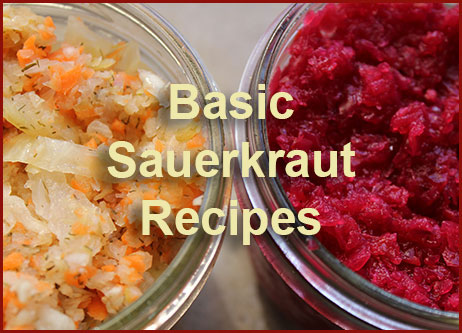
At first, the idea of making it homemade might seem a bit intimidating,
like you are performing some kind of laboratory experiment. But, rest
assured, as you familiarize yourself with this age-old way of preparing
pickled food you will become more confident with each batch you make.
Cultured vegetables store well for long periods of time in the
refrigerator but can also be kept in a cool cellar or basement where they will continue to age like fine
wine. When they are kept below about 40°F (4°C), they tend to stop fermenting.
A Word About Store Bought Brands
There are some high quality organic cultured vegetables available at most health food stores, but they can be quite costly for just a small jar. That's another bonus to making your own!
It is important to be aware that many types of sauerkraut on the market are not cultured but pasteurized, which destroys most of its nutritional value such as enzymes and probiotics. These pasteurized brands are primarily designed to render the final product more uniform and thus more marketable. You get taste perhaps, but none of the health benefits of real raw fermented sauerkraut.
Precautions:
It is important to consult with a healthcare professional before adding sauerkraut to your diet if you have IBS, leaky gut or other digestive issues. For those new to eating sauerkraut, you may at first experience some intestinal gas, bloating or increased bowel movements. Seek the advice of a medical physician before adding fermented foods to your diet if you are pregnant, nursing, taking prescribed medications or have a serious health condition.

Shop Related Products (About Affiliates & Amazon Associate Paid Links)
Affiliate Disclaimer: This section contains affiliate product links. If you make a purchase through one of our recommended links, we will receive a small commission at no additional cost to you. Thanks for the support!





Other Related Pages



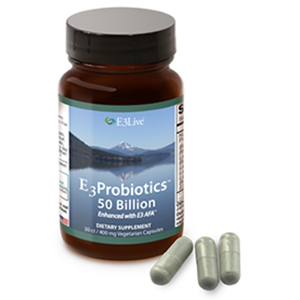
E3Live, E3Probiotics, 50 Billion, Enhanced with E3AFA

As an Amazon Associate we earn from qualifying purchases at no added cost to you.