- Home
- Fermented Foods
- Seed Cheese
Nut and Seed Cheese, Cultured Raw Vegan Cheeses

Seed cheese is a cultured raw vegan cheese created using a process similar to traditional cheesemaking, involving the same method employed to separate the curds from the whey. In this case the curds are a non-dairy plant-based variety that is aged for a period of time to develop certain flavors and textures.

The initial form of "seed cheese" was introduced in the 1960's by living food enthusiast Ann Wigmore, the original founder of the Hippocrates Health Institute. Using mostly sunflower seed and sometimes pumpkin seed, the cheese was created by blending soaked seeds with water and rejuvelac, then fermenting it for a short amount of time and straining out the liquid.
The concept of making cheese from nuts and seeds is a fairly recent development. In the last 10 years, along with the popularity of the raw vegan diet, there have been some improvements made from the original sunflower seed recipe.
Many vegan chefs are now making other variations of cultured non-dairy cheese made with other seeds, like hemp seeds, as well as other nut selections like almonds, cashews and macadamia nut.
Originally the cheese was made by fermenting it for short periods of time between 4-12 hours. These days, however, many people are exploring the taste and texture enhancing benefits of culturing it for longer periods of time from 2 days to even several weeks in some cases.
Basically, the longer you ferment the cheese the hardier and richer in flavor it becomes, similar to aged dairy cheeses. In addition, different nut and seed combinations can also produce unique and savory flavors comparable to cheddar, feta or gouda.
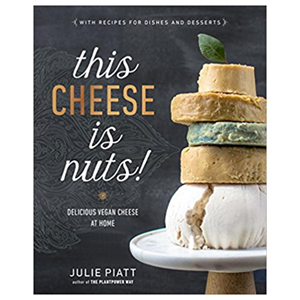
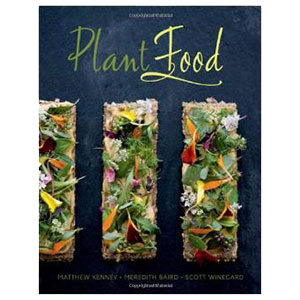
One of the leading authorities in the nut and seed cheese-making world is American celebrity chef and recipe book author Matthew Kenney, who specializes in plant-based cuisine. He has, over the years, experimented extensively with making gourmet vegan cheeses and was quoted in a published LA Weekly article stating that most cheeses he serves are aged "usually three to four weeks."
For those new to making homemade seed cheese, the easiest variety to make is the original recipe created by Ann Wigmore. This makes a soft ricotta-style cheese consistency that you can spread onto dehydrated crackers or use as a topping for raw energy soups, the way "Dr. Ann" often consumed it.
This type of cheese is made with only 3 ingredients: water, sunflower seeds and rejuvelac. Today, however, many people used probiotic powders instead of rejuvelac because they are more convenient to have on hand.
Culturing Raw Vegan Cheese
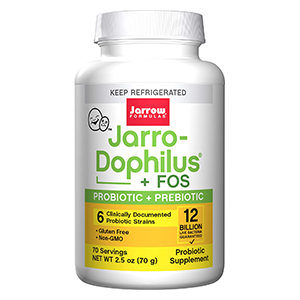
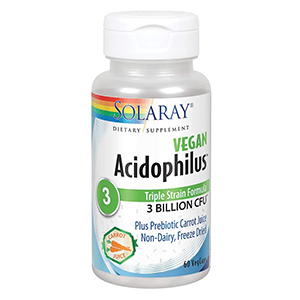
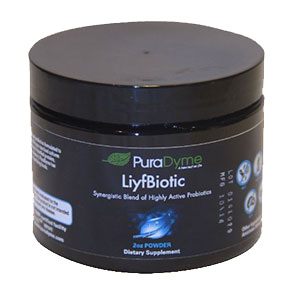
When making homemade seed-nut cheeses, the fermentation process includes the use of a high quality probiotic powder or culture starter. These powders contain Lactobacillus and Bifidobacterium strains like, L. acidophilus and B. lactis as well as many others. The probiotics usually come in capsule form which can be opened up into the cheese blend. It usually takes 2 capsules (about 1/4t) per 2 cups of dry seeds or nuts.
Usually we have found the lacto-bacteria most suited to nut and seed cheese making is the Lactobacillus acidophilus species, which is also the primary strain used by raw gourmet chef's and quality commercial brands like Dr. Cow Tree Nut Cheeses.
Seed cheeses are not made with seed or nut milk, unlike dairy-based cheese, because they have a better flavor and texture when created with the whole seed or nut, which is soaked overnight, drained, then blended with fresh water and culture starter. This mixture is then strained over a period of time to reduce the whey content and intensify the sharpness of the cheese.
Can Seed Cheese Go Bad?
The probiotic lactic acid bacteria in the ferment helps to protect the cheese from contamination or decomposition. But, just like dairy cheese, it can grow other forms of mold over time if not properly stored or fermented at inappropriate temperatures exceeding 75°F (24°C). Seed cheese should have a slightly soured fermented scent that smells like aged cheese. It should be discarded if it has an extremely strong off-putting odor.

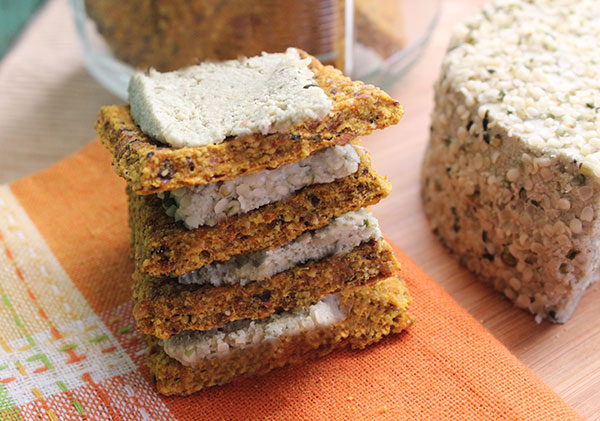
Making Sliceable Seed Cheeses
The main factor that controls the hardness of the cheese is the moisture content. To make aged raw vegan cheeses with a firmer texture, you would need to apply pressure to the fermenting seed or nut blend and age it over a period of time.
This is the same process used to make dairy cheese, which is normally accomplished by packing the curds into a mold and applying a weight on top of a "follower", a flat heavy object that pushes the curds down evenly to release the whey liquid through tiny holes in the mold form. Although we have tried using traditional cheesemaking equipment to make seed cheese, we have not currently experienced much success because the mixture tends to fall through the holes as it is not as "rubbery" as dairy-based ingredients.
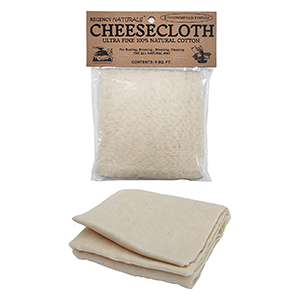
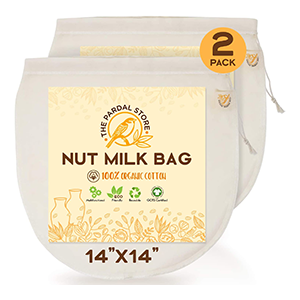
The easiest way to make soft ricotta-style seed cheese is in a glass mason jar with a mesh lid, fermented between 6-12 hours. The best method for making aged cheese seems to be the good ole multipurpose nut milk bag. These are fine mesh bags, usually made from nylon or hemp fabric, that filter out the liquid content in foods and leave behind a thick pulp material. They are used to make nut milks, like almond milk, but also work really well for seed cheeses. Cheese cloth is also another option, of course, but you will need to layer it a few times to avoid kurd leakage through the larger-size holes.
Cheese cloth is also another option, of course, but we have found that it tends to leak our the larger-sized holes and doesn't really work as well as the fine mesh fabric.
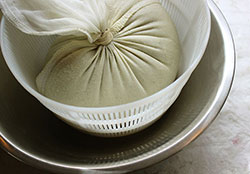
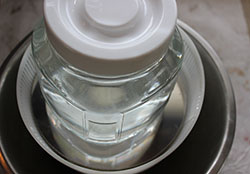
To make sliceable cheese you simply pour the blended mix, that includes the probiotic starter, into the mesh bag. You then tightly secure the opening by spinning it several times, leaving a ball of cheese that you will put into a strainer with a heavy weight on top of it.
This is how traditional cheese is made, usually with some kind of "cheese press" that helps to squeeze out the moisture content. The strainer, of course, will need to be elevated slightly with a container underneath it to collect the liquid whey, which can be discarded or used in other recipes. You can either let it ferment for a short or long amount of time. Usually, 48 hours is good to yield a nice firm cheese that you can form into a mold.
Forming the Cheese
Seed and nut cheeses can be set in molds after fermentation time
and refrigerated to create different shapes, logs or cheese wheels that can
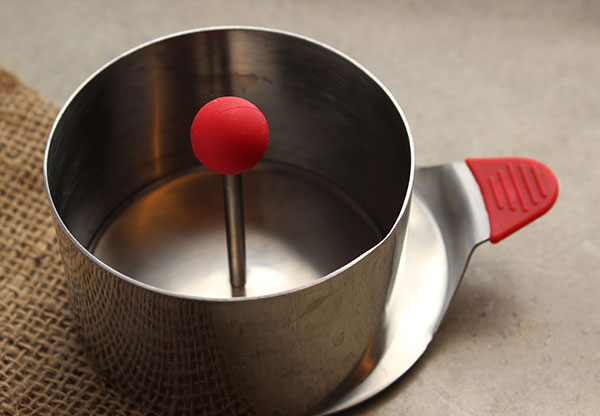
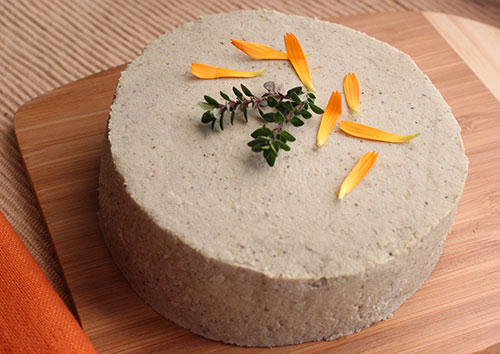
be later sliced. We have found that ring molds are best for achieving smooth rounded edges, but you can also use various bowls or containers that are either shallow, deep, round, square or oblong.
Some raw gourmet chefs additionally put the molded cheese into a dehydrator to produce a thick rind on the outside of the cheese. You can likewise cover your molded creations in various spices, like pepper or paprika, or different chopped nuts and seeds.
Adding Other Ingredients
There are other types of vegan seed and nut cheeses that are not fermented but use different ingredients to thicken it and give it a cheesy flavor. These other added components may include nutritional yeast, vinegar, lemon juice, irish moss, agar or tapioca starch. Although these types of raw vegan cheeses can still be quite tasty, they don't offer the same health benefits and digestibility of cultured varieties.
Many of these additional ingredients, however, can be added to the fermented cheese to add flavor and alter consistency. One that we often add after the culturing process is irish moss gel. This gives it a very smooth, thick cream cheese like texture.
After the final culturing is achieved, we also like to add other seasonings to enhance the flavor such as sea salt, fresh scallions or onion powder as well as different spices, which may include dill, Italian herbs, pepper, garlic granules and turmeric.
Health Benefits of Raw Vegan Cheese
Nut and seed cheese is a wonderful non-dairy cholesterol-free alternative made with simple whole food ingredients, isn't overly processed or exposed to heat and doesn't contain refined oils or fats, preservatives, starches or stabilizers often found in commercial non-dairy cheeses. Many of the vegan cheese products on the market are typically made with processed rice, soybeans or almonds, and often contain a long list of these aforementioned refined ingredients.
The culturing technique not only creates a delicious cheese-like flavor, but also produces enzymes and beneficial microflora that essentially help to predigest the seeds and nuts, which are generally harder to assimilate.
Fermenting foods, like nuts, seeds and beans, are a great way to consume them as their nutrients and proteins are further broken down into easily digested amino acids and other energizing compounds. Fermentation also eliminates toxins like phytates that may be present, which often block the absorption of various minerals.
Unlike dairy, which tends to create a lot of mucus build-up and sinus conditions, raw vegan cheeses can tend to do quite the opposite, providing more of a laxative-like effect that helps to promote regular bowel movements and keeps the colon free of undigested waste material.
A 2011 study published in the Journal of Gastroenterology investigating the two strains Lactobacillus acidophilus and Bifidobacterium lactis it was concluded that, "L. acidophilus and B. lactis twice a day improve symptoms of bloating in patients with functional bowel disorder (FBD). This data supports the role of intestinal bacteria in the pathophysiology of FBD and the role for probiotic bacteria in the management of these disorders."
As we mentioned, you can use different blends of nuts and seeds depending on your taste preference and/or unique health goals. Some seeds or nuts like sunflower, pumpkin and almond are less acidic than other varieties and better for those with candida overgrowth or comprised immune functions.
It is always good to use high quality organic non-GMO raw seeds and nuts. This means that if you tried to sprout a sunflower seed, for example, it would actually grow another sunflower plant. Most all seeds will sprout when given the water necessary to do so, but other more fattier nuts like cashews or macadamia are more easily germinated when inside their shell. Some people also sprout their seeds before making seed cheese, but this step is not required.
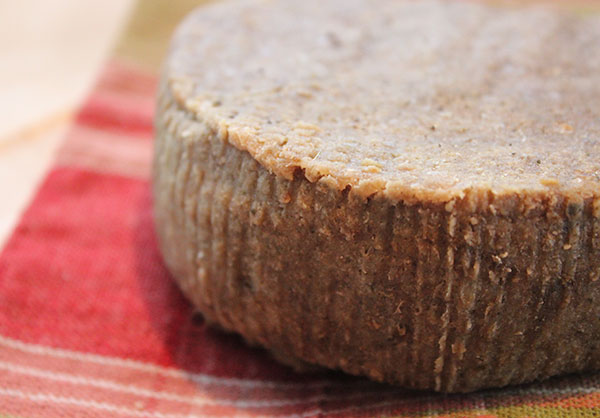 Aged and Dehydrated Sunflower Cheese
How to Use
Seed cheese is ideal for "cheese and cracker" snacks or on top of raw soups or salads. Depending on the texture it can be crumbled or even dehydrator-melted on nut burgers, enjoyed on raw pizzas or used in other recipes like our cheez its, squash chips or sprouted rye crackers.
To learn more on how to make seed cheese visit our seed cheese recipes page.
Precautions:
It is, of course, important to avoid seed or nut cheeses if you have severe allergic reactions to different varieties of nuts or seeds. It is also important to consider avoiding food ferments if you have severe allergies to molds.
Shop Related Products
Other Related Pages



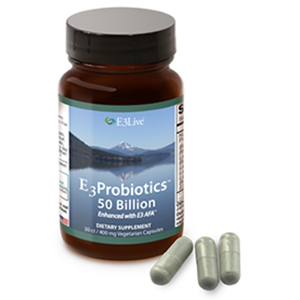
E3Live, E3Probiotics, 50 Billion, Enhanced with E3AFA

As an Amazon Associate we earn from qualifying purchases at no added cost to you.